

The global economy is entering a period of extreme uncertainty as a "perfect storm" of crises threatens households and businesses once again. The surge in oil and natural gas prices, ignited by the conflict in the Middle East, is no longer an isolated energy issue but the catalyst for a broader economic shock. As supply chains paralyze and the production costs of essential goods climb, central banks find themselves trapped in a dangerous dilemma: the necessary pivot from monetary easing back toward new interest rate hikes to control inflation threatens to "strangle" growth and dramatically increase the debt burden for corporations and individuals alike. The unfolding economic landscape mirrors the bleakest scenarios of the pandemic, leaving governments with minimal fiscal room for maneuver and the average consumer facing a painful new period of financial austerity.
Measures for energy prices on the table
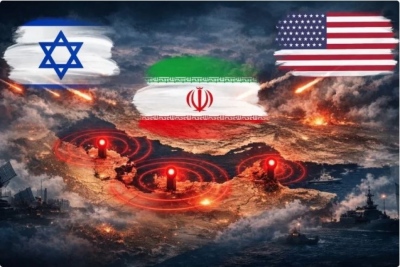
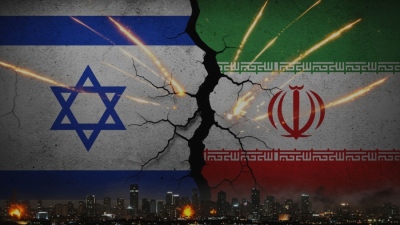
Policymakers worldwide are preparing measures to absorb the spike in energy and commodity prices triggered by the war in the Middle East, which now threatens the global economy with its largest shock since the pandemic era. What were considered grim scenarios at the start of the conflict have rapidly become reality, with Brent Crude oil soaring on Monday to nearly $120 a barrel, up from approximately $72 before the war with Iran began. Although oil retreated below $100 after US President Donald Trump stated the war would be resolved "very soon" and mentioned plans to lift oil-related sanctions, it remains unclear how the conflict will end and how long it will take for energy supply issues to normalize. This has introduced new uncertainty into the global growth outlook, which is already grappling with disruptive factors ranging from Artificial Intelligence and tariffs to rising debt.
New wave of global inflation
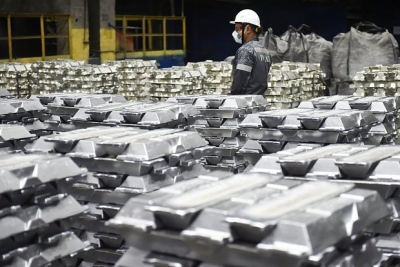
Beyond oil, the effective closure of the Strait of Hormuz has led to price increases in Liquefied Natural Gas (LNG), fertilizers, jet fuel, and other essential commodities, fueling fears of a new wave of global inflation, slower growth, and supply chain bottlenecks as factories are forced to slow production.
Prior to the US and Israeli attacks on February 28, the World Bank’s Global Supply Chain Stress Index was already at its highest level since the pandemic. After an initial wait-and-see stance, governments are now considering options including the release of oil from strategic reserves, price caps to support households, and subsidies and tax breaks to protect businesses and farmers. For instance, the President of South Korea called for fuel price caps, the UK government proposed household support, the Philippines shifted government offices to a four-day work week, and Indian officials are evaluating whether measures are necessary to balance energy costs.
Short-term solutions
"All of these are 'sticking plasters' that can help absorb some of the energy shock in the short term, but they are unlikely to make a major difference in the long run if the conflict proves to be protracted," said Michael Brown, senior research strategist at Pepperstone Group in London. Perhaps the clearest sign of how concerned policymakers are is that the G7 finance ministers met virtually to discuss the prospect of a coordinated release from strategic petroleum reserves. They stated the group is ready "to take necessary measures, including supporting global energy supply, such as the release of stocks." French Finance Minister Roland Lescure stated the group "has not reached that point yet" regarding an actual fuel release, but added that he and his colleagues are monitoring the situation closely in cooperation with the International Energy Agency. Coordinated releases of strategic reserves have only occurred five times in the past, including twice in response to the Russian invasion of Ukraine in 2022. Trump announced last week that the US would provide insurance guarantees and naval escorts for ships crossing the Strait of Hormuz. The insurance program, managed by the US International Development Finance Corp., creates a reinsurance program protecting against losses of up to approximately $20 billion for vessels transiting the Strait. The Trump administration also eased restrictions for India regarding the acceptance of seaborne Russian oil, which has been under US sanctions since the invasion of Ukraine. US Treasury Secretary Scott Bessent told Fox Business that the US might lift sanctions on further Russian oil supplies if necessary.
Economists warn that unless a way out of the conflict is found soon, the contagion effect will be severe. "If this is acute but short-lived, it is primarily an inflation and confidence event," said Douglas A. Rediker, managing partner at International Capital Strategies in Washington. "If it spreads through shipping, insurance, natural gas, fertilizers, and trade routes, it turns into a real risk of stagflation." While the world's largest energy producers, including the US, Brazil, and Saudi Arabia, will be shielded from the main brunt of the oil price surge, the final impact will be universal: growth will slow as consumers and businesses tighten their belts amid higher prices.
Shift in stance from central banks
For central banks, the combination of rising prices and slowing growth complicates the monetary policy outlook. Although officials will likely ignore the initial price spike, the longer it lasts, the more likely they will be forced to pivot from rate cuts to rate hikes. Traders have already scaled back bets on the pace of rate cuts by the Fed this year and have shown fluctuations in bets regarding the European Central Bank and the Bank of England. Meanwhile, the fiscal strength to absorb the energy hit has been diminished by years of crisis management, which have left governments burdened with debt. Global borrowing swelled to a record $348 trillion in 2025, marking the fastest annual increase since the pandemic as governments ramped up borrowing, according to a report by the Institute of International Finance. Developing nations face refinancing needs exceeding $9 trillion this year, raising the stakes as global liquidity conditions fluctuate. The war raises new credit risks for emerging markets, Fitch Ratings warned, as higher oil prices bloat subsidy and import bills while simultaneously disrupting remittance inflows, tourism, and investment flows. Fitch identified India and the Philippines as the most exposed, with net fossil fuel imports exceeding 3% of their GDP.
The scars of Covid
The energy shock arrives at a moment when the global economy is already struggling with the impact of fluctuations in US tariffs, which have caused uncertainty for manufacturers, retailers, and other importers. Factories and households remain scarred by the legacy of the pandemic and the energy crisis that followed the Russian invasion of Ukraine in 2022.
"In comparable past episodes, such as in the spring of 2022, the international trade system allowed for flexible private-sector responses to trade disruptions, which limited the damage," said Maurice Obstfeld, senior fellow at the Peterson Institute for International Economics and former chief economist of the International Monetary Fund. "Unfortunately, Donald Trump’s attacks on global trade over the past year, along with the responses of other countries, may have made the system more fragile."
www.bankingnews.gr







Σχόλια αναγνωστών